Leave Your Message

Blog

Top China Black Push Button Switch Suppliers?

Top China Black Push Button Switch Suppliers?

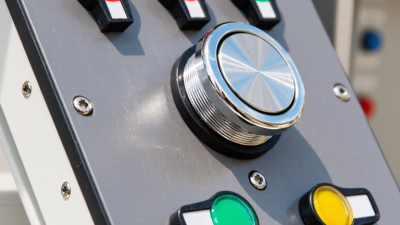
Picking the right Black Push Button Switch supplier in China isn’t just about lining up catalogue prices. You’ve got to look at contact materials, how the actuator feels, electrical ratings, sealing performance, and whether production stays consistent batch after batch. A pretty product page? It doesn’t prove much. Li Wei, a senior switch engineer at Kedu Electric, has a blunt way of putting it: “A switch is small, but its failure can stop an entire machine.” That’s a practical warning worth taking seriously. A Black Push Button Switch might sit on a control panel, an emergency circuit, a vending machine, or an industrial cabinet. How well it works often comes down to details hidden behind the button cap. This guide walks through some leading China suppliers, including Kedu Electric, E-Switch China, C&K Components China, and Ningbo Lema. They’re not all strong in the same ways. One might be quicker with customization; another might have better testing records or a wider set of certifications. So ask for sample units. Then look closely at terminal construction. Check contact resistance. Go through cycle-life test data. And confirm whether IP ratings apply to the whole assembly or just the front panel. Those distinctions are easy to miss. Experience also teaches an uncomfortable lesson: the cheapest Black Push Button Switch is rarely the lowest-cost choice once you add failures, replacements, and production delays. Still, don’t treat supplier rankings as permanent. Factory capacity, component sourcing, and quality systems can all shift. That’s why this comparison leans on practical criteria, not marketing claims. It looks at engineering support, customization, documentation, inspection procedures, and how reliable communication is. Some conclusions may need updating after new factory audits or sample testing. That’s a weakness, sure — but at least it’s an honest one.
Read more »
Liam By:Liam - October 9, 2026
2026 Best Vandal Resistant Push Button Switches Guide

2026 Best Vandal Resistant Push Button Switches Guide

Picking out the right Vandal Resistant Push Button Switches isn’t just about how they look – it’s really about trust and dependable performance. When 2026 rolls around, we're swimming in a sea of metal switches that all seem pretty much alike in photos and specs. Just having a sleek bezel doesn’t mean it’s gonna last. That’s why our guide dives into the real-world details that actually matter for control panels, public machines, or industrial enclosures. The harsh conditions out there tend to expose the weak spots in designs. So, we look at stuff like stainless steel grades, how far the actuator moves, contact ratings, terminal layouts, and whether the switch fits your panel. We also review the IP ratings, operating temperature ranges, mechanical lifespan, and how well they stand up to impacts repeated over time. Think about a switch on a machine door—it might get oily gloves on it, vibrate a lot, gather dust, and get thousands of presses. Those are the kinds of things that marketing language doesn’t really talk about. Testing should always follow the manufacturer’s datasheet and proper lab methods, but honest field experience really counts too. Sometimes a switch can look great in lab tests but feels flaky in the real world after it’s installed. We pay attention to feedback from techs, maintenance crews, and designers—those sorts of insights often uncover issues like loose terminals, tricky wiring, or buttons that get uncomfortable after a long shift. Of course, what’s “best” really depends on what you’re using it for. A tiny 16mm switch might work perfectly inside a neat control box, but an outdoor setup might need a larger, lit switch for easier visibility. You’ve got to match voltage, current, switching frequency, and load type—getting that wrong can mean shorter lifespan or hassle down the line. And hey, no comparison’s perfect. Sometimes, supplier updates, sample inconsistencies, or installation quality can skew results. So, this guide aims to be honest about the pros and cons, helping you make a smart, well-informed decision based on real evidence.
Read more »
Liam By:Liam - October 4, 2026
7 Tips for Choosing Panel Mount Push Button Switches

7 Tips for Choosing Panel Mount Push Button Switches

Picking the right Panel Mount Push Button Switches isn’t just about how it looks — it's really a practical engineering decision. I mean, a switch might seem perfect on a product drawing, but then it starts acting up after lots of presses, or gets affected by vibration, dust, or moisture. So, you’ve got to choose a switch that actually matches the circuit, the enclosure, how operators will use it, and the environment it’s in. John A. Black, who’s been designing switches for years, once said, “A push button is small, but its failure can stop the entire machine.” That really hits home, especially when you see how one tiny switch can bring everything to a halt. A control panel might look sleek with sharp labels and solid wiring, but if the switch isn’t rated properly, it could cause downtime, which is a nightmare. In this guide, I want to walk you through seven key tips for picking out the best Panel Mount Push Button Switches. We’ll cover stuff like electrical ratings, contact configurations, actuator design, how deep it mounts, terminal types, environmental protection, and how reliable the supplier is. Don’t overlook the small details. Make sure the switch can handle the actual voltage and current—don’t just go by what’s expected on paper. Imagine an operator wearing gloves, pressing the button dozens of times in a noisy, busy workshop. Sometimes a metal bezel adds durability, or an IP-rated body can help protect against elements, but just having a high IP rating doesn’t automatically mean better performance. That’s a common misconception. Testing is also super important. Check the datasheet against your actual panel—see if everything fits, test the travel, look at the illumination, and make sure wiring is straightforward. Sometimes datasheets look great but leave out stuff that’s actually pretty important. I’ve seen designs that focus way too much on how they look without thinking about how easy it will be to replace the switch later—poor move. The goal is to pick a switch that balances safety, ease of use, durability, and overall cost, well before you start production.
Read more »
Maxwell By:Maxwell - October 1, 2026
2026 Top Push Button Switch With Cable Types to Know?

2026 Top Push Button Switch With Cable Types to Know?

Picking out a Push Button Switch With Cable really starts with knowing how you’re gonna use it. For example, a machine operator might need a quick, momentary button that bounces back after you let go. On the other hand, a control panel might call for a latching type that stays on until you press it again. These little differences actually change how they operate, how they’re wired, and safety considerations—so, just looking at how they look isn’t enough. You’ve gotta dig a little deeper. Cable setups are another thing to consider. Some switches come with fixed wires already attached, so you connect directly. Others use molded or connector-ended cables, which can make installation and swapping out way easier. Before you buy, double-check the cable length, conductor count, wire gauge, jacket material, and connector type—make sure they match what you need for your setup. Even if a cable looks tough, it might be too short, too bendy, or not suited for the temp around it. Little details like this really matter. This guide’ll walk you through the common switch types and cable options—things like normally open versus normally closed contacts, momentary versus latching actions, and different termination styles. It also covers what specs are important to look at before you buy. Keep an eye on ratings for voltage and current, contact arrangements, expected lifespan, and any ingress protection ratings. Always check the manufacturer’s datasheet for these details—product listings sometimes leave out the important stuff. A quick peek now can save you some re-wiring headaches later. Not every switch fits every job, and sometimes you’ll find that the connector you thought was standard doesn’t match your equipment. So, here’s the takeaway: make sure you verify the entire switch-and-cable combo, not just the button itself."
Read more »
Maxwell By:Maxwell - September 26, 2026
2026 Top Push Button Switches for Global Buyers?

2026 Top Push Button Switches for Global Buyers?

When it comes to choosing Push Button Switches, global buyers really need more than just a slick product photo. Sure, the looks matter, but they’re also after reliable performance, clear specs, and proof from real-world use. A switch sitting on a factory control panel has very different needs compared to one used in a medical device or an outdoor kiosk. And tiny details actually make a difference—things like actuator travel, contact material, sealing, panel thickness, and terminal design all play a part in how well it works. This guide takes a practical look at the 2026 market, focusing on key buying criteria. We talk about different product types, manufacturer reputation, environmental ratings, expected lifespan, and supply reliability. Big names like Schneider Electric, Eaton, Honeywell, IDEC, NKK Switches, and C&K each have their own strengths. But, honestly, brand recognition alone isn’t enough to guarantee a good fit. Buyers should dig into datasheets, test conditions, certification records, and ask for samples before committing to large orders. Also, don’t forget to double-check regional standards and requirements. Remember, there’s no one-size-fits-all “best” switch. That’s something worth keeping in mind. For example, a shiny metal button might look really high-end, but if it’s mounted too deep, installation could get tricky. Or a cheaper model might pass the initial tests but then fall apart after some repeated use. And truthfully, the market moves fast—availability, pricing, and lead times can all change unexpectedly. That’s why this overview sticks to solid, verifiable features rather than overhyped claims. Our goal is to help engineers, distributors, and procurement teams compare Push Button Switches with more confidence, all while leaving room for testing and personal review—because at the end of the day, informed decisions are the best decisions.
Read more »
Clara By:Clara - September 21, 2026
China Top 10 Dual Color Push Button Switch Manufacturers?

China Top 10 Dual Color Push Button Switch Manufacturers?

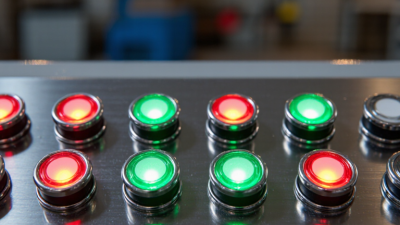
Picking a reliable manufacturer for a Dual Color Push Button Switch isn’t just about those catalog prices, you know? There’s a lot more to consider. Things like how consistent their designs are, how well their electrical performance holds up, their production controls, and how solid their after-sales support tends to be. This guide aims to help you navigate that, highlighting China’s top 10 manufacturers based on practical buying criteria—not just slick marketing talk. A trustworthy supplier should be transparent—think clear datasheets, samples you can test, and quality records you can trace. Key details to watch out for include contact ratings, insulation resistance, operating temperatures, IP protections, and how many cycles the switch can handle mechanically. Even something as straightforward as a 22 mm panel switch can have several small but important details—red and green illumination, terminal structure, tactile feedback—that can influence your entire control panel setup. Sometimes, it’s the tiny differences that make all the difference. We also look at how much experience they have with customization, their mold-making capabilities, assembly accuracy, and their ability to communicate effectively, especially for exports. Manufacturers following ISO standards, using RoHS-compliant materials, and having stable quality control procedures tend to inspire more confidence. But hey, don’t just rely on certificates—they’re not the whole story. It’s always smart to test samples yourself, preferably under real-world conditions like actual voltage, current, vibration, and repeated pressing, to really know what you’re getting. Because online info isn’t always complete, some manufacturers might have shiny websites but limited proof of their factory capabilities, while others might have modest online footprints but support big industrial projects. So, you’ll wanna dig a little deeper. Keep in mind, rankings can shift as their product lines, testing facilities, and service levels evolve. Always ask for current specs, samples, and written warranty terms before committing to bulk orders. At the end of the day, it’s all about making a smart choice—finding a Chinese partner who reliably supplies control cabinets, machinery, access equipment, or whatever else where clear status indicators and dependable switching really matter.
Read more »
Clara By:Clara - September 18, 2026
China Best RGB LED Push Button Switch Manufacturer?

China Best RGB LED Push Button Switch Manufacturer?

Picking the best RGB LED push button switch from China isn’t just about comparing prices or flipping through shiny catalogs. Honestly, a reliable supplier should show what they’re made of — think samples, test reports, and steady production track records. When it comes to these switches, you want them to light up evenly, provide solid tactile feedback, and work reliably over time. Small details really do matter here. The button should glow smoothly, and the terminals need to stay tight even after lots of presses. Michael Chen, an engineer specializing in industrial control at BrightCore Components, points out, “A good quality illuminated push button is really judged by how it performs once installed, not just how it looks on the catalog.” That’s pretty practical advice. When shopping around, it’s smart to check things like LED voltage options, switch ratings, actuator materials, mounting sizes, and how many cycles they’re rated for. Plus, don’t forget to ask how they inspect each batch — honest manufacturers who welcome questions usually know their stuff pretty well. China's got a bunch of solid manufacturers like BrightCore Components, NovaSwitch Technology, and Everlight Controls. But, honestly, what’s “best” really depends on what you need. For instance, a heavy-duty metal IP-rated button might suit a tough machine, while a sleek plastic model could be perfect for a tight lab setup. Don’t just rely on certificates or brochures — seeing a factory in person can tell you way more about their quality and processes. And let’s be real — there’s no such thing as a perfect supplier. Even seasoned buyers sometimes miss details like connector quality or color consistency at first glance. I’d avoid choosing a manufacturer just based on their marketing claims. It’s always worth comparing samples, double-checking specs, and reviewing actual production data before committing long-term. The best partnerships are built on transparency, consistent quality, and realistic delivery promises — not just fancy promises.
Read more »
Maxwell By:Maxwell - September 12, 2026
7 Best RGB Push Button Switches for Global Buyers?

7 Best RGB Push Button Switches for Global Buyers?

Picking out an RGB push button switch isn’t just about grabbing the brightest one out there. Honestly, folks all over the world tend to weigh things like how much panel space it takes up, whether it’s compatible with their voltage, how long it’ll last through repeated presses, and how reliable the supplier is. Sometimes, a switch might look pretty awesome in an online picture but end up failing after a bit of use, especially if there’s vibration or moisture involved. It’s like that old saying—looks can be deceiving! Daniel Mercer, who’s an independent controls guy, always says, “The best illuminated switch is the one that actually matches your machine—not just what’s in the photos.” Sounds simple, right? But surprisingly, many skip this tip. In our review, we’ve looked at seven different RGB push button switches—stuff that you’d actually use in control panels, gaming setups, lab devices, or small automation projects. We consider whether they’re momentary or latching, what wiring type they have, LED voltage options, contact ratings, and how they respond physically. Details really matter here. For instance, a 16 mm metal body might be perfect for tight spaces, but the 22 mm version could make it easier to press with gloves on. An IP65 rating helps protect against dust and a splash of water, but don’t assume it’s fully waterproof. It’s also smart to check the terminal layout, the size of your panel cutout, operating temperature range, and any official certifications—those can vary quite a lot depending on where you’re placing it and what your product needs. At the end of the day, there’s no one-size-fits-all answer. Some switches give you crazy vibrant colors but don’t handle a lot of current; others are super sturdy but a pain to wire up. We try to cut through the marketing hype and compare real specs that matter. Don’t forget, talking to suppliers, testing samples if possible, and considering support after purchase are just as important. Because, let’s be honest—spending less upfront might backfire if you can’t get replacements later. The key is to pick a switch that fits your device, the environment it’ll be used in, and how easy it will be to maintain down the line.
Read more »
Liam By:Liam - September 7, 2026